Canada Is Burning. CBC Should Tell Us Why.
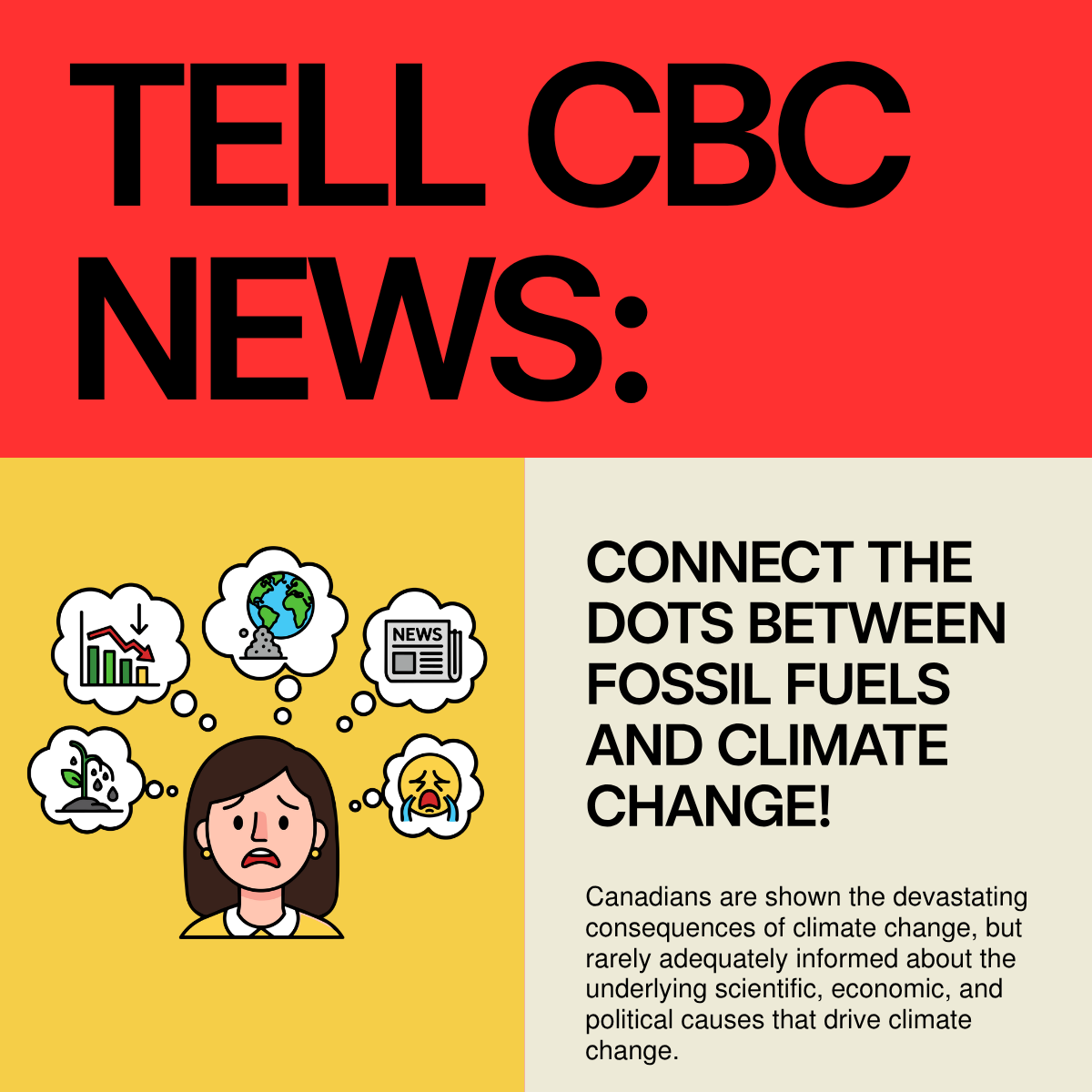
When CBC reports on wildfires, extreme heat and other climate disasters, it too often reports the consequences without clearly explaining their cause: climate change driven primarily by burning fossil fuels.
CBC is publicly funded and accountable to its audience. Hearing from many individual viewers and listeners demonstrates that this isn't simply an academic debate about journalism, it is an audience expectation. If Canada's public broadcaster doesn't consistently explain why the climate is changing, who will?
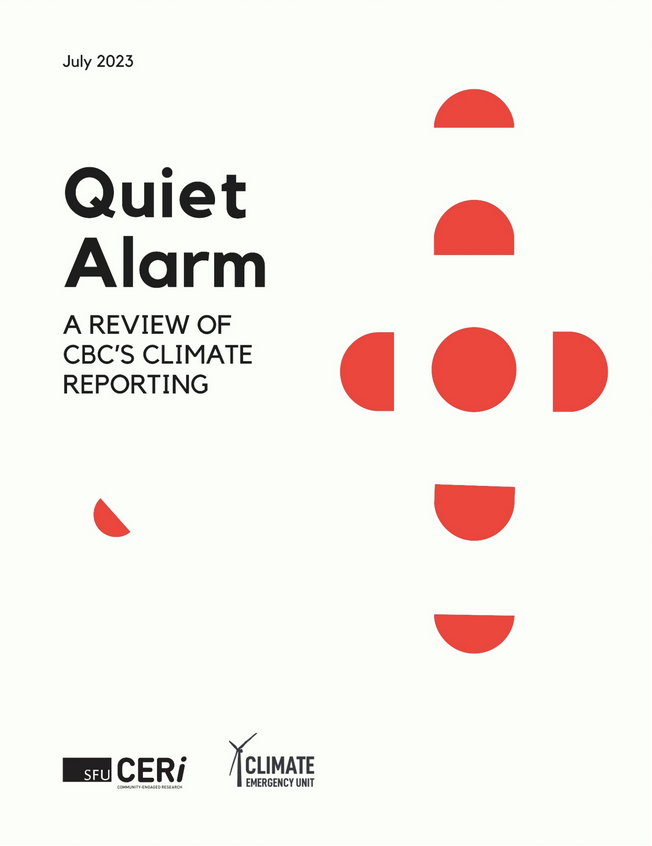
Only 9% of CBC climate stories examined in the Quiet Alarm study connected climate consequences to their underlying causes.
What the research shows
Canadians are experiencing intensifying climate impacts amid widespread climate misinformation and uneven climate literacy.
Only 9% of CBC’s climate stories connected climate impacts to their underlying causes (Quiet Alarm Report, SFU CERi, 2023).
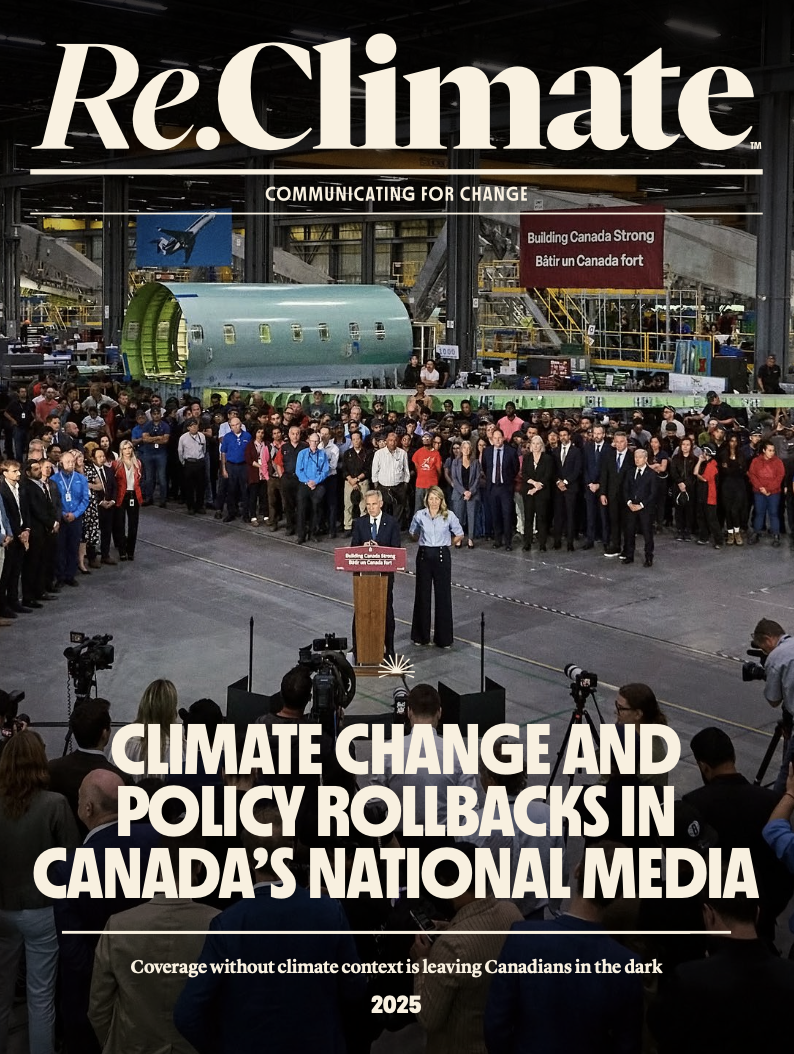
18.6% of wildfire stories (across Canadian media outlets) explicitly connected fires to climate change. Across stories mentioning climate change, just 12% mentioned fossil fuels (Re.Climate, 2025).
Over 85% of the media attention on fossil fuels (pipelines, oil, natural gas) makes no mention of climate change at all (Re.Climate 2025).
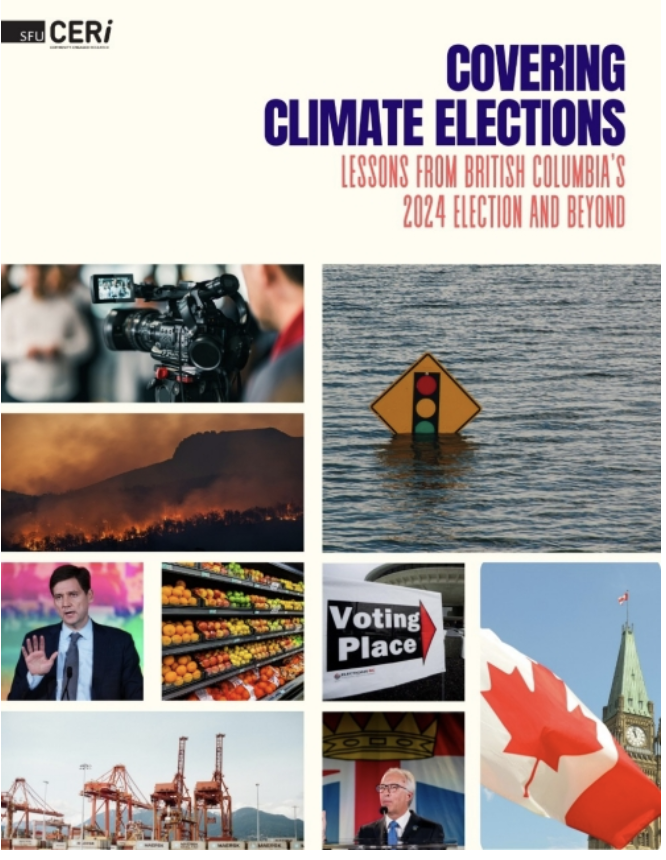
91% of broadcasts (across Canadian media outlets) lacked meaningful discussion of climate change during the 2024 BC election (Covering Climate Elections, SFU CERi, 2024).
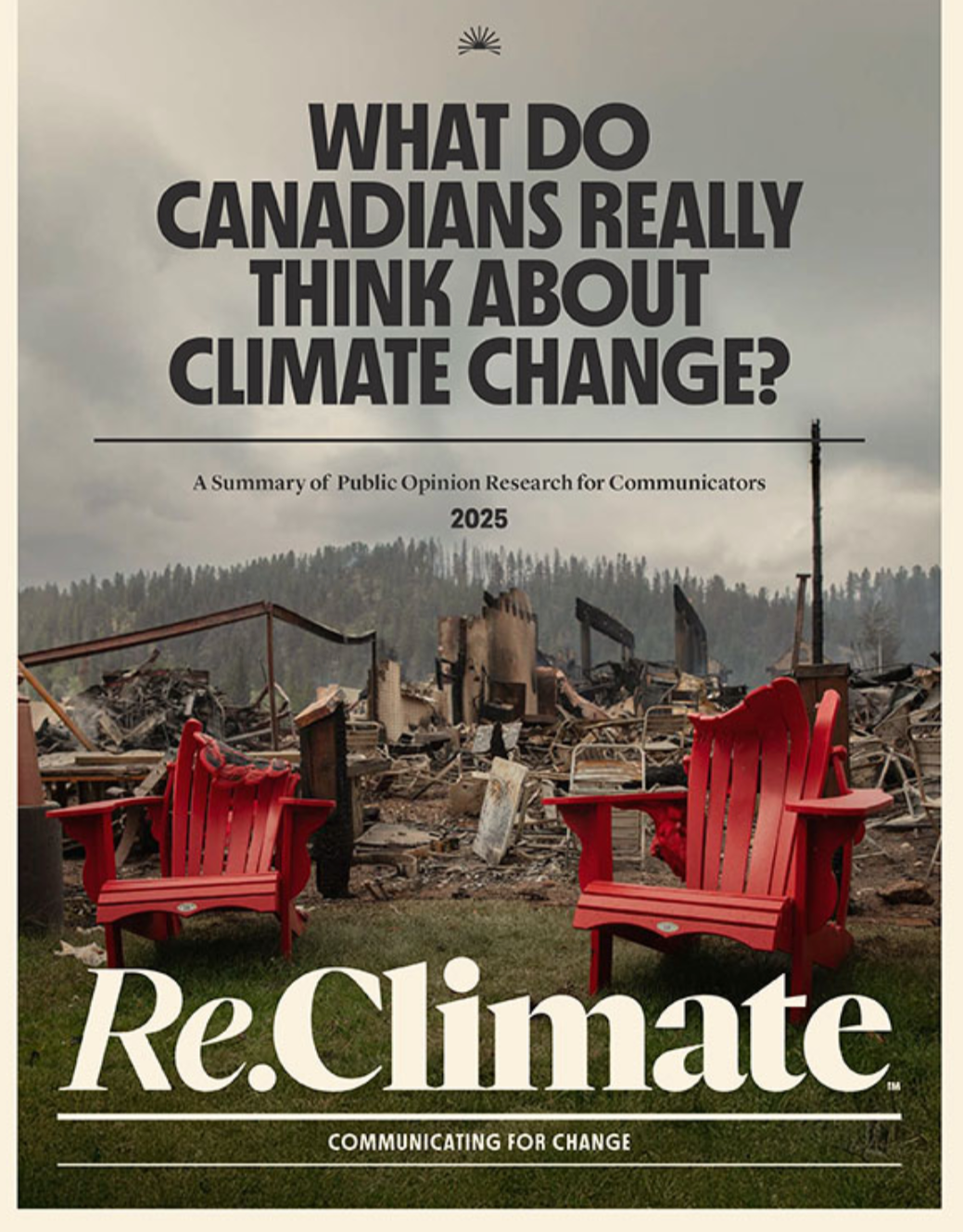
Only 49% of Canadians correctly identified burning fossil fuels as the main source of climate pollution, even when prompted with a list of possible answers (Environics & Re.Climate, 2024).
Just 59% of Canadians now say climate change is mostly caused by human activity, down from 71% in 2021. The proportion who consider climate change a “very serious” threat has fallen from 50 to 38 per cent over the same period. (Angus Reid, 2025).
What we're asking CBC to do
Provide causal context (connecting climate change to the burning of fossil fuels) consistently when reporting major climate-related stories and extreme weather on CBC flagship TV and Radio news shows.
Update the Journalistic Standards and Practices to include a dedicated section on climate reporting, including expectations for providing accurate causal context, reflecting the scientific consensus, and helping audiences understand the drivers of climate change.
Provide climate-literacy training for journalists and editors covering climate science, attribution, misinformation and fossil-fuel causation.
Establish a daily climate brief across CBC's flagship news programs that explains the most important climate developments in Canada and around the world, including the latest science, policy decisions, and impacts on Canadians. We have a sample hereof what this could sound like.
Campaign Media Coverage
#ConnectTheDots Campaign Launch: Open Letter to CBC Leadership (LinkedIn)
Op-ed in Ricochet Media: Canada Is Burning. Why Won't CBC Tell Us Why?
Podcast Interview with The Breach Podcast: Why Is CBC's Reporting on Wildfires Ignoring the Role of Climate Change?
Interview on CBC’s BC Today with Michelle Eliot: Latest on B.C. wildfires as nearly 22K people forced to evacuate their homes
Climate Reporting Under Carney ft. Natasha Bulowski & Taylor C. Noakes on North State Podcast: Quiet Alarm research discussed in-depth as it relates to political decision making of the Carney government.
Op-ed in Canada’s National Observer: Wildfires are front-page news. Why isn't their cause?
Inquires
For media inquiries, interviews, speaking requests, or to get involved with the campaign, please contact:
Dr. Tara Mahoney via the contact form
What a daily climate report could sound like
One recommendation from Quiet Alarm: A Review of CBC's Climate Reporting is for CBC to introduce a daily climate emergency broadcast that informs Canadians about the climate crisis and its solutions in the same way we get the business and sports news everyday. These sample recordings imagine what that programming could sound like, featuring a conversation between Seth Klein and Ziya Tong on record-breaking heat, climate attribution science, and fossil fuel-driven climate change. Listen to all three sample episode here.